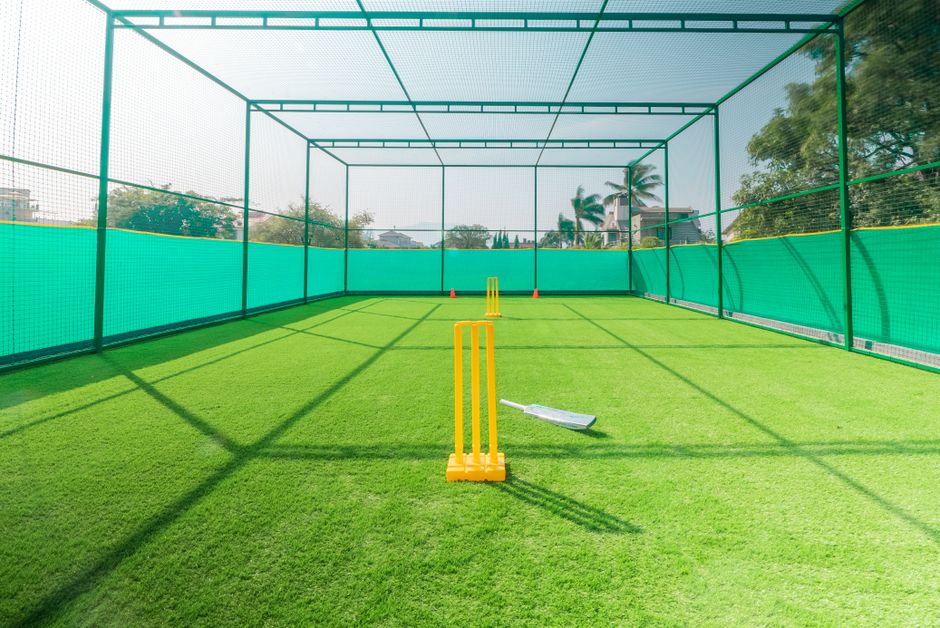
Photo by aksinfo7 universe on Pexels
5 Habits to Avoid Sports Injuries This Season — and Where Massage Fits In
Spring means a busy sports season in Adelaide, and a predictable wave of strains and niggles a few weeks in. Five habits that help prevent them, including where massage actually fits in.
Spring in Adelaide means the summer sport season is starting. Cricket nets are busy, tennis courts fill up after work, and with daylight saving now here there's more evening light for a run or a game of touch. It's also the time of year I see a familiar pattern in my clinic: people go from a quiet winter straight into full training, and a few weeks later they come in with a sore calf, a tight hamstring or an aching shoulder.
Most of these niggles are preventable, or at least manageable, with a few simple habits. Here are five I recommend after ten years of working with athletes and active people.
1. Build Up Gradually
Overuse is one of the most common causes of sports injury. Muscles, tendons and joints need time to adapt to load, and they adapt more slowly than your enthusiasm does. Victoria's Better Health Channel advises building up intensity and duration gradually and not training beyond your current fitness level.
In practice, if you haven't run since autumn, don't start with the distance you finished last season on. Add a little each week, and treat the first fortnight as a reintroduction rather than a test.
2. Warm Up Properly and Cool Down Gently
A good warm-up prepares your muscles and joints for the movements of your sport. Start with light movement, then add sport-specific drills: a few easy throws before bowling, gentle rallies before serving hard, a couple of building strides before sprinting.
Afterwards, a cool-down with gentle, sustained stretches helps you finish the session calmly. It won't make you injury-proof, but it's a small habit that pays off over a season.
3. Respect Recovery Time (and the Heat)
Training hard every day leaves no room for your body to repair. Plan easier days between harder sessions, and prioritise sleep, especially while your body clock is still adjusting to the time change.
Adelaide summers add another factor. Better Health Channel recommends drinking plenty of fluids before, during and after activity, and avoiding exercise in the hottest part of the day, roughly 11 am to 3 pm. Early mornings and evenings are your friends from now until autumn.
4. Use the Right Gear
Worn-out shoes, no mouthguard or a helmet that doesn't fit properly all increase your risk. Check your footwear before the season starts and use the protective equipment your sport requires. If an ankle or knee has given you trouble before, taping or bracing may help – ask your physio how.
5. Use Massage Where It Actually Helps
This is where I come in, so I'll be upfront about what the research says.
A 2020 systematic review and meta-analysis in BMJ Open Sport & Exercise Medicine, covering 29 randomised studies, found no evidence that sports massage directly improves performance such as strength, sprinting or jumping. It did find modest improvements in flexibility and in delayed-onset muscle soreness (DOMS) – the stiffness you feel a day or two after a hard session – although the authors noted the studies varied a lot.
An earlier 2018 meta-analysis in Frontiers in Physiology compared a range of recovery methods and found massage had the largest effect on DOMS and perceived fatigue of the techniques studied. It only looked at single sessions, so the effect of regular massage across a season is less clear.
So, realistically, massage won't make you faster, but it can help you feel less sore and move more freely, which makes it easier to keep training consistently. A sensible approach is a session early in the season to work on areas that stiffened up over winter, then follow-ups around your heavier training blocks or big events.
One important exception: massage is not for fresh injuries. For a new sprain or strain, first aid guidance is to avoid heat, alcohol, running and massage in the first 48 to 72 hours, as these can increase bleeding and swelling.
When to See a Doctor
See a doctor or physiotherapist if:
- pain hasn't settled after a couple of days
- you can't put weight on the injured area, or it's very swollen or looks out of shape – what seems like a sprain can be a fracture
- you're unsure whether you're ready to return to sport
- Sports injuries – Better Health Channel (Victorian Government)
- Davis, Alabed & Chico (2020), Effect of sports massage on performance and recovery – BMJ Open Sport & Exercise Medicine
- Dupuy et al. (2018), An evidence-based approach for choosing post-exercise recovery techniques – Frontiers in Physiology
Call 000 for loss of consciousness, a suspected neck or spine injury, broken bones, or head, face, eye or abdominal injuries.
The Bottom Line
A gradual start, a proper warm-up, sensible recovery, the right gear and well-timed massage will help you get through summer with fewer setbacks. If you're getting back into sport and want to loosen up those winter-stiff muscles, book a remedial massage with me and let's get you moving well for the season ahead.